Camara Education
Transforming life chances in Africa with technology

Transforming life chances in Africa with technology
Camara Education Ethiopia
Empowering disadvantaged learners, teachers and schools across Ethiopia with curriculum-aligned digital tools, AI-supported learning and sustainable technology solutions for a better future.
A comprehensive, cost-effective and scalable approach to education technology, delivered by the Ethiopia team from the first school visit to long-term technical support.
Camara Education Ethiopia is an international NGO registered with the Authority for Civil Society Organizations, Licence No. 1923…
…and has operated in Ethiopia since 2011. We are currently delivering a five-year Memorandum of Understanding with the Ministry of Education covering 2023 to 2028.
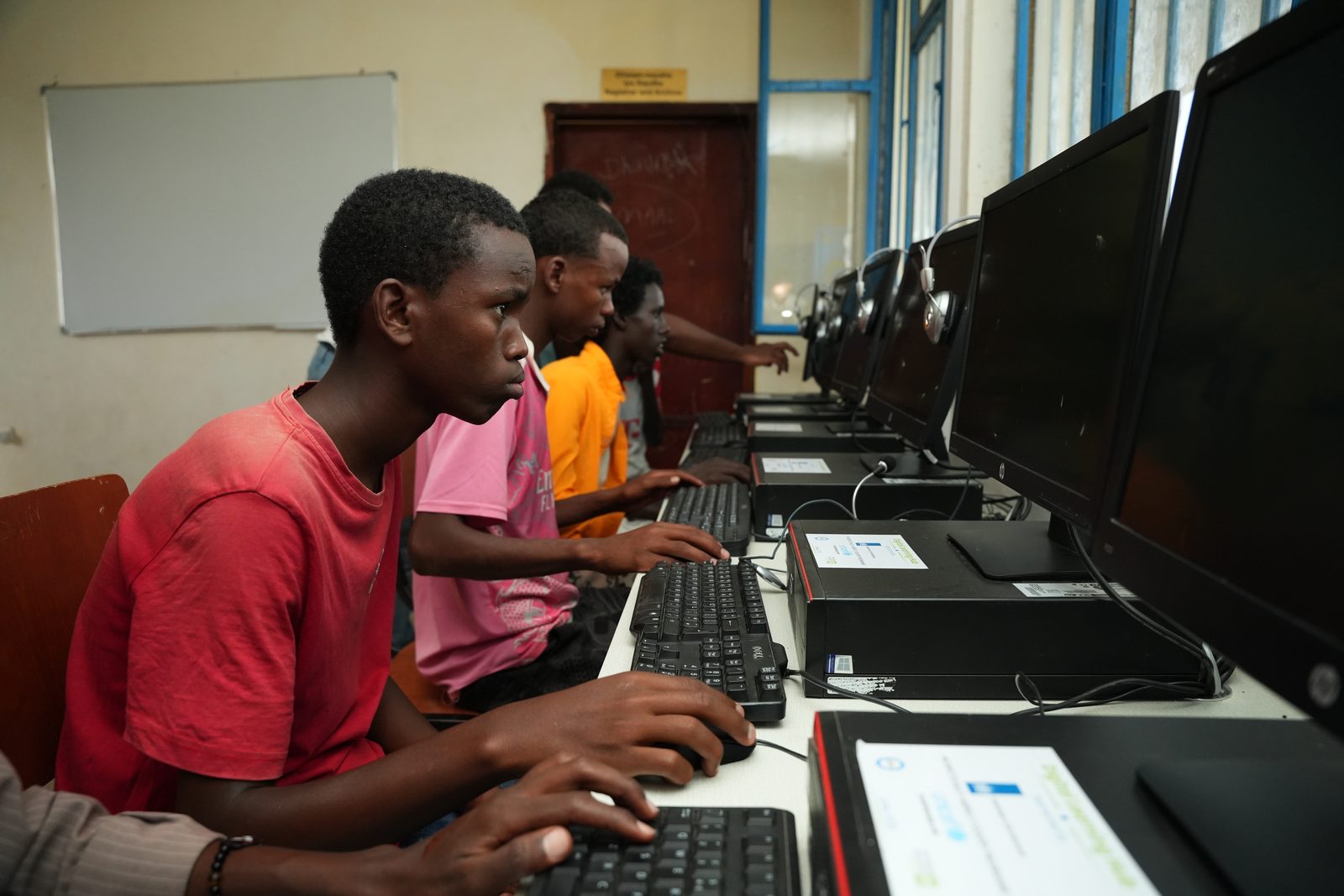
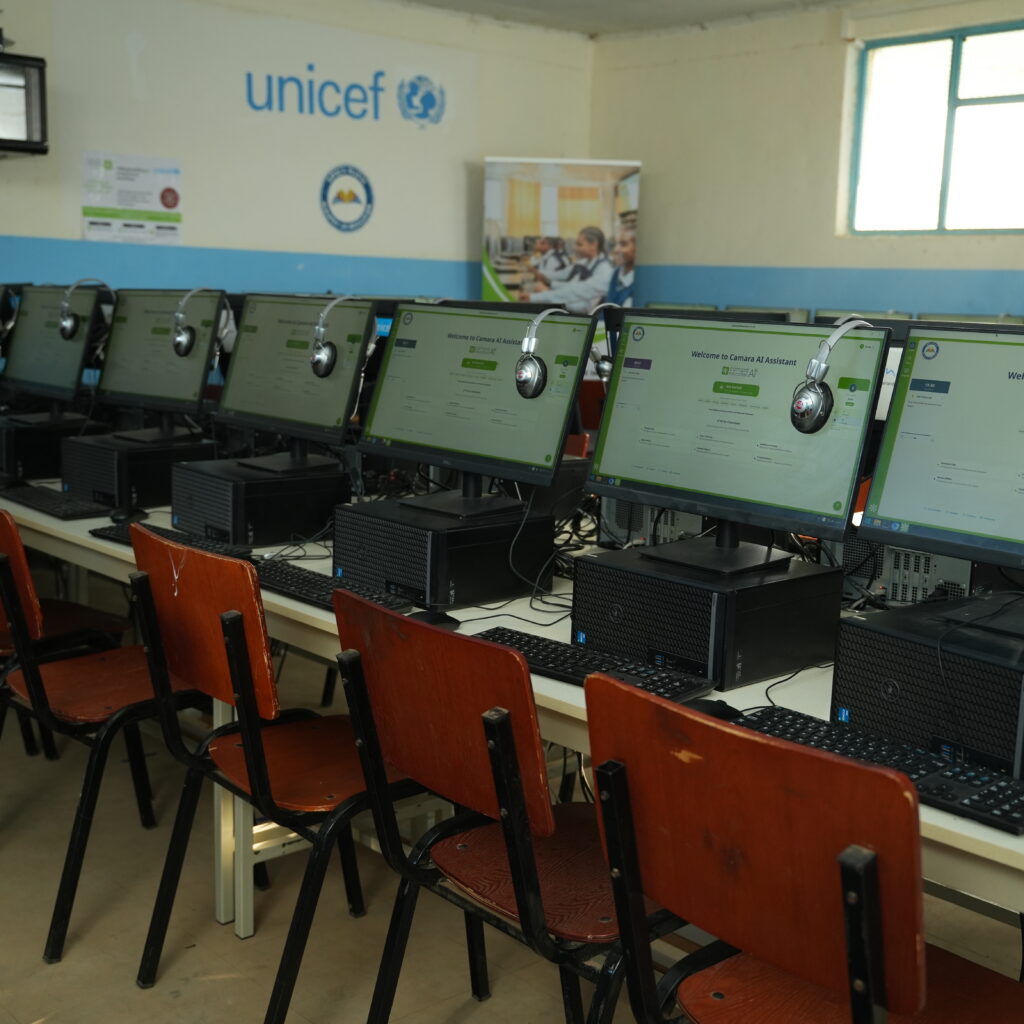
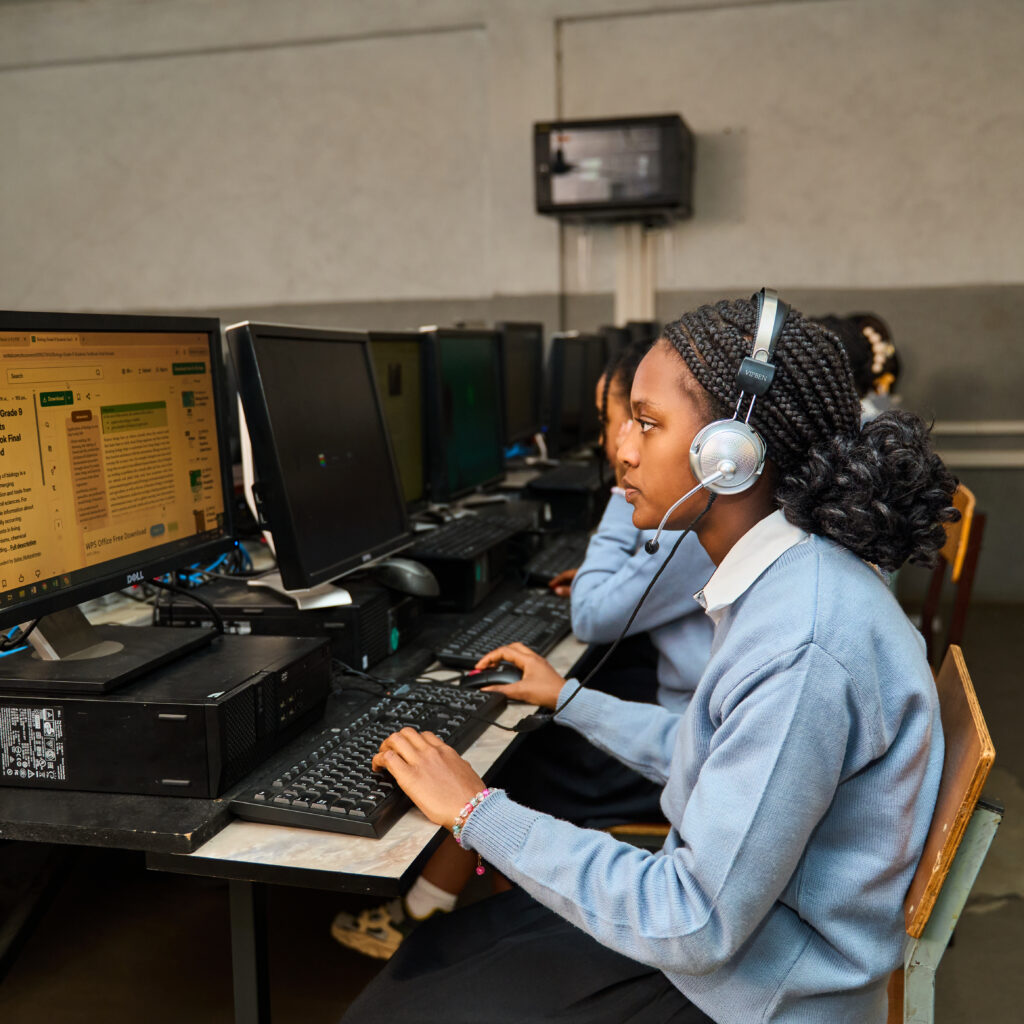
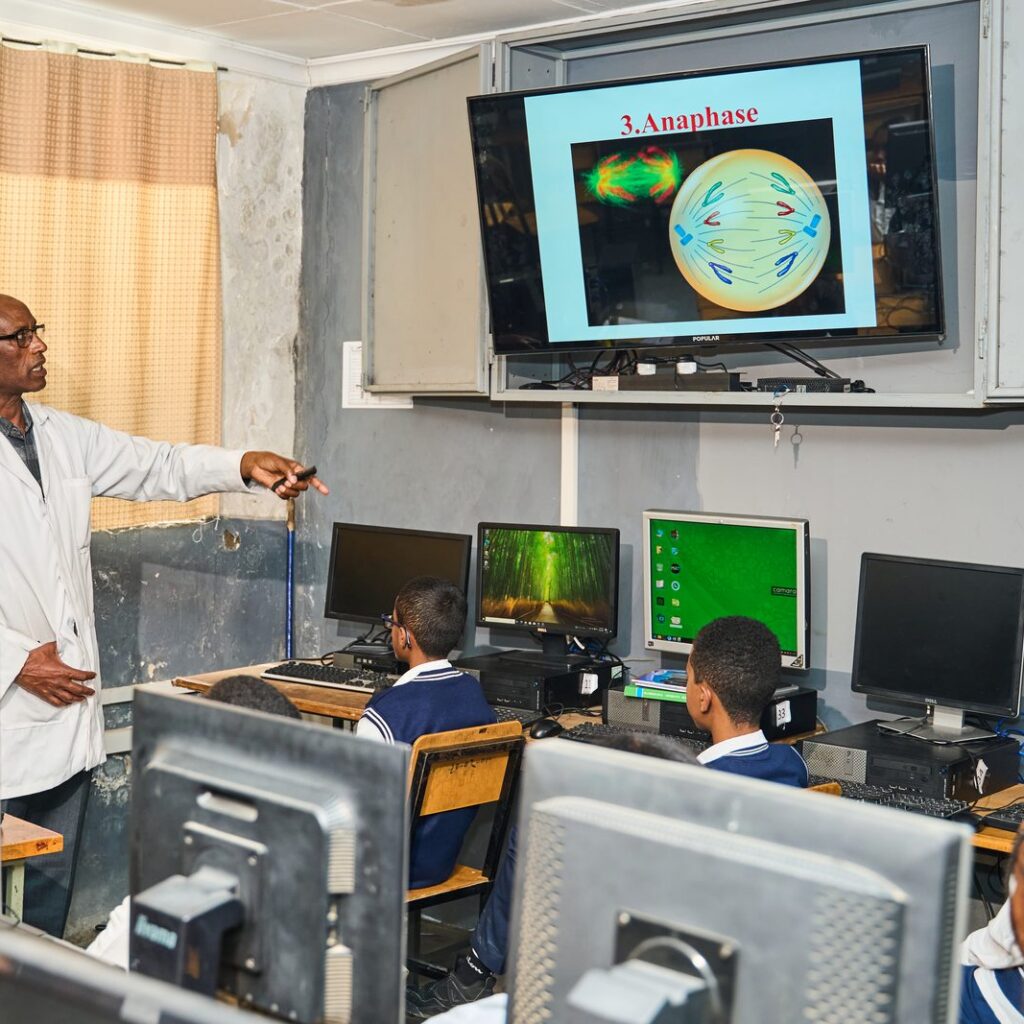
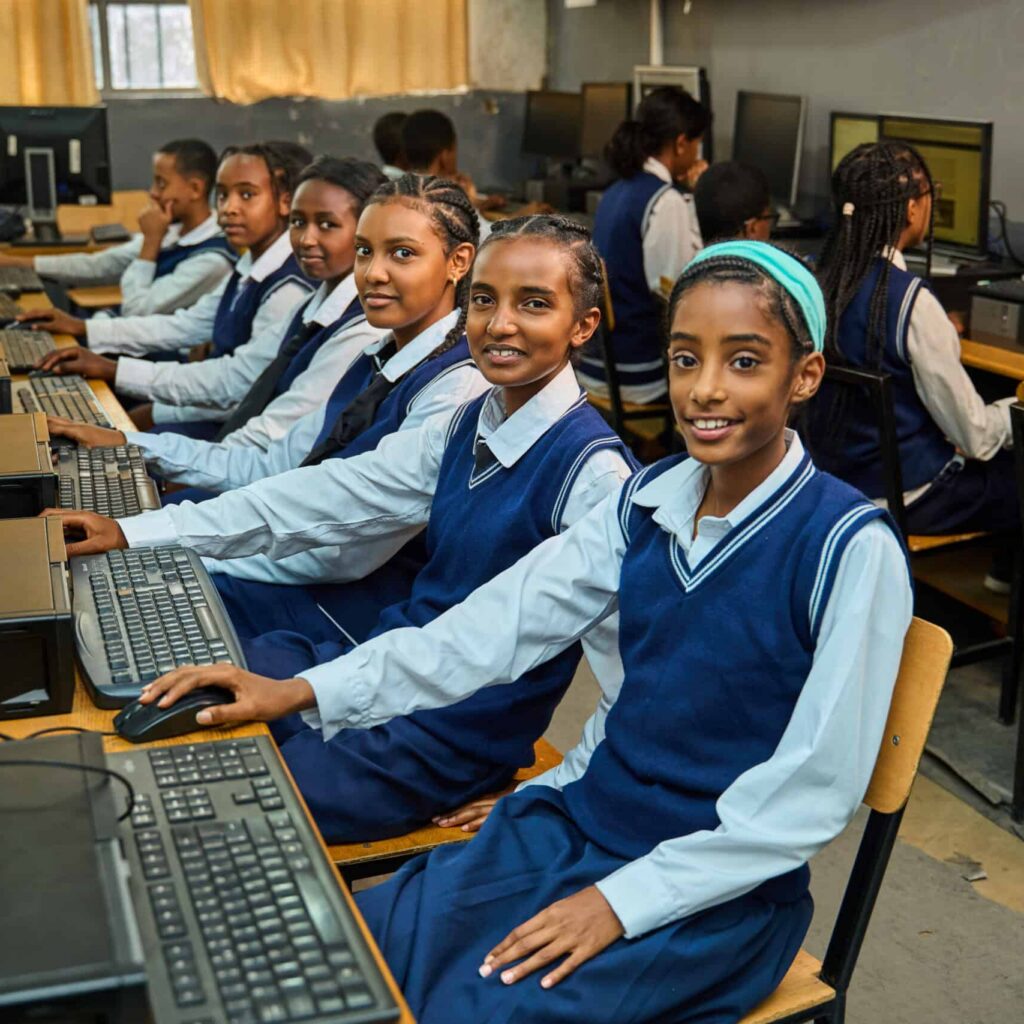
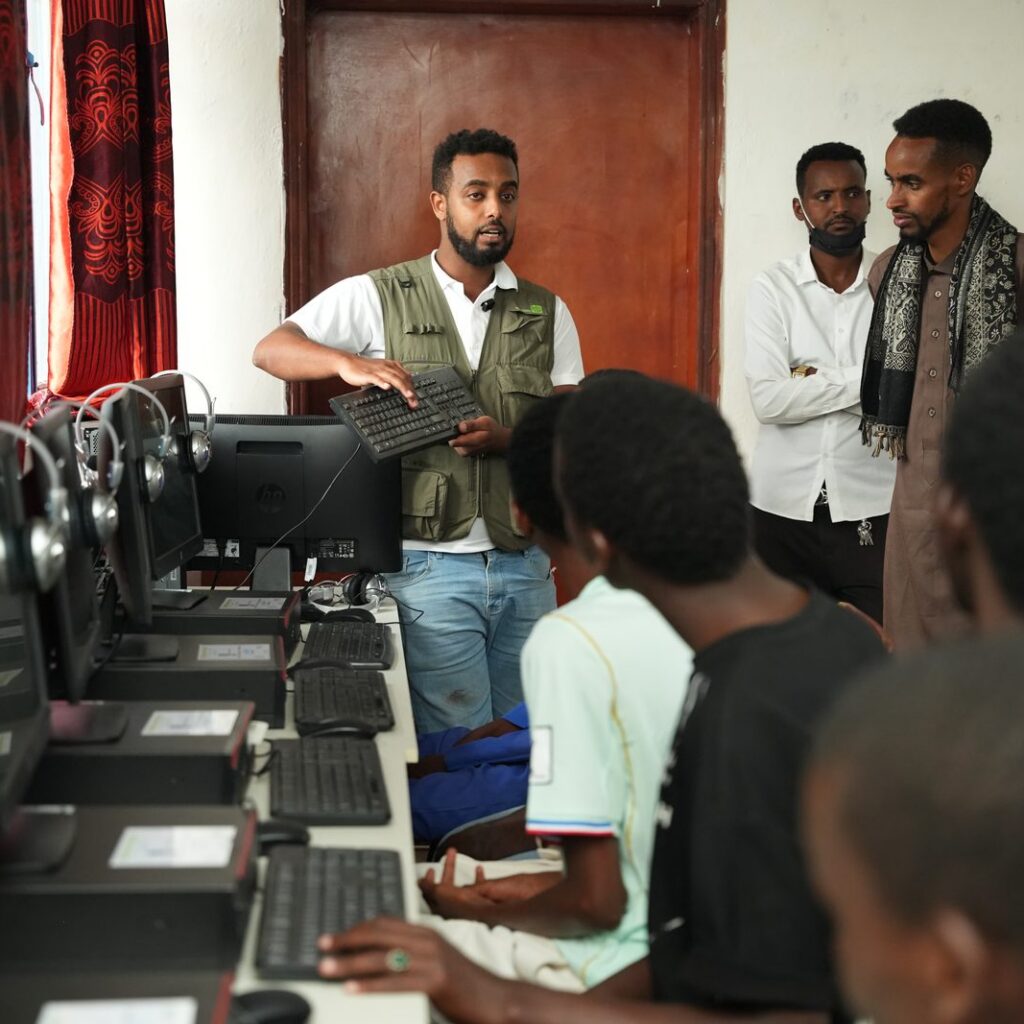
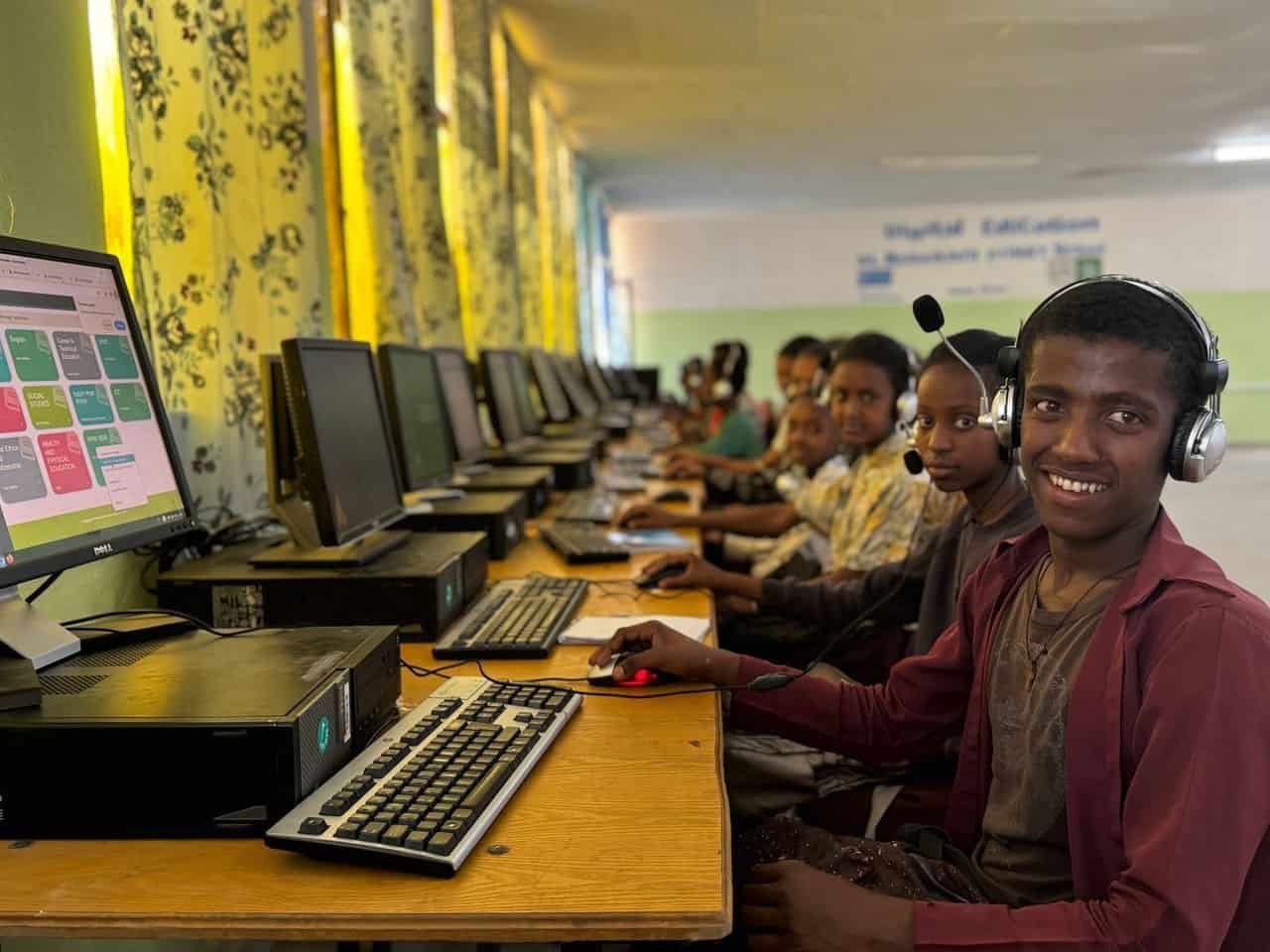
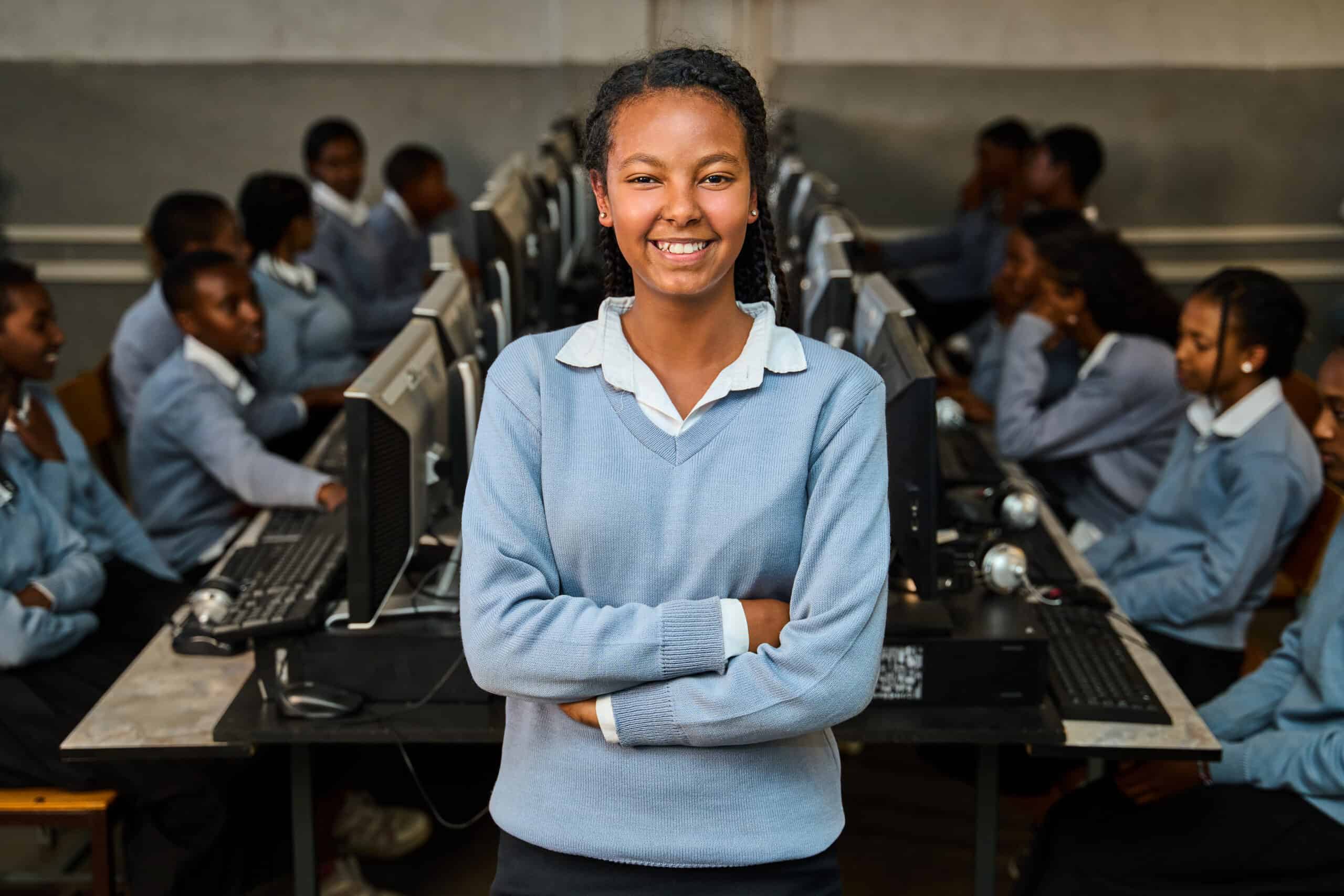
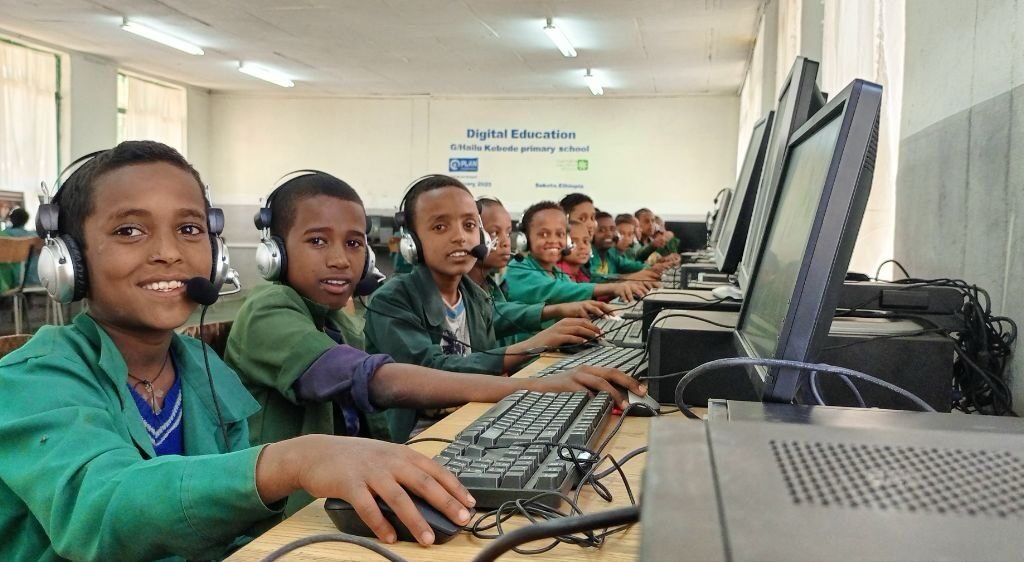
LAN-networked Digital Learning Centres equipped with 30 to 50 computers and offline-first classroom servers.
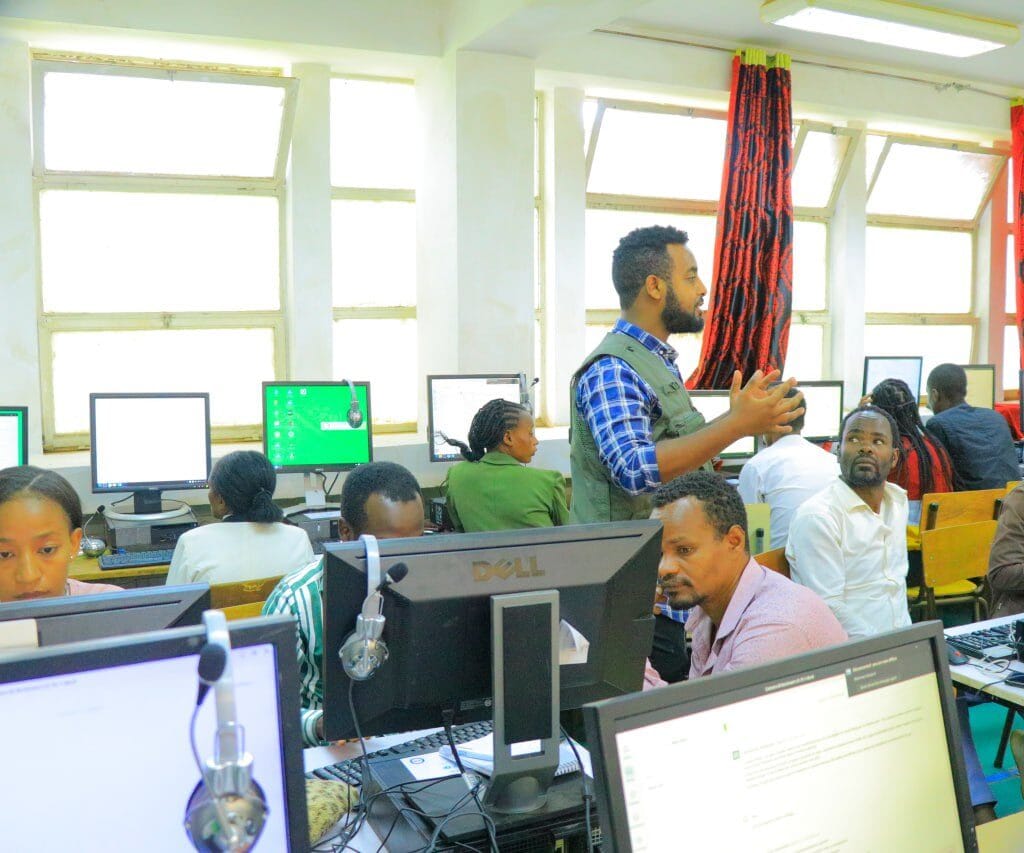
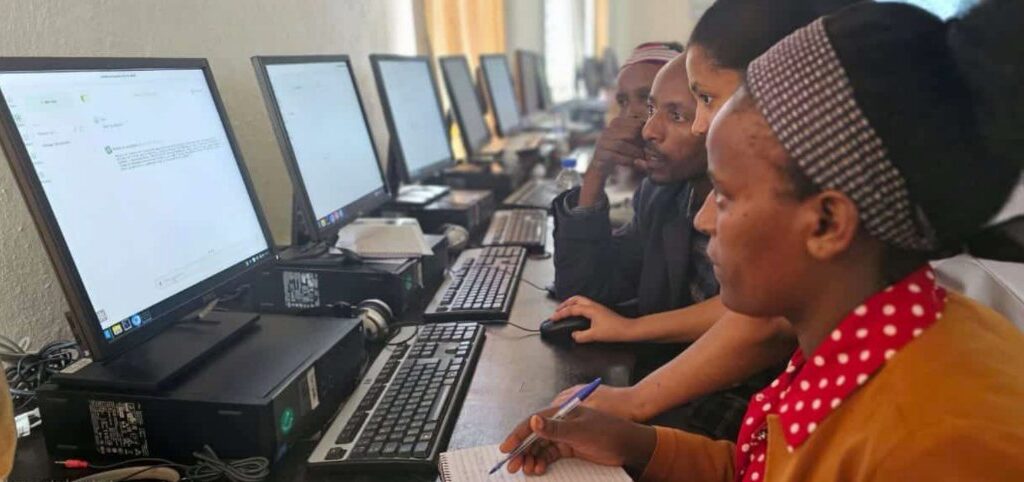
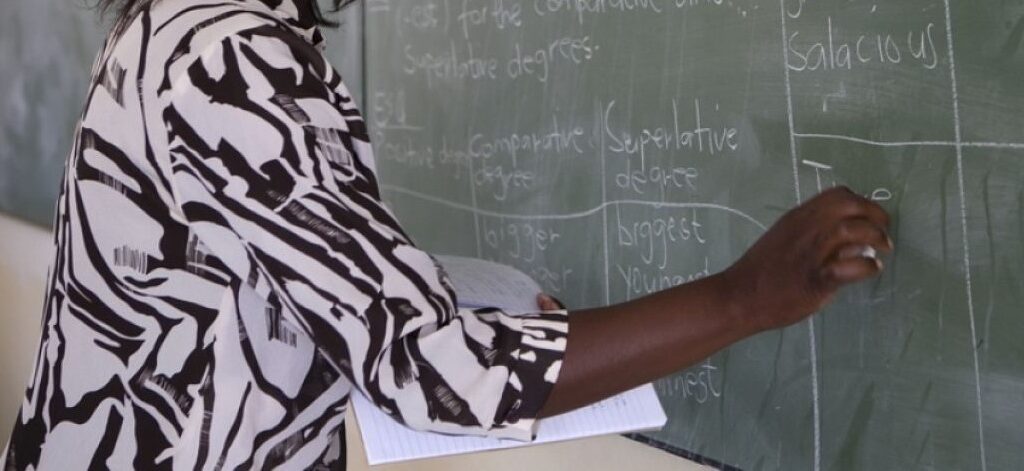
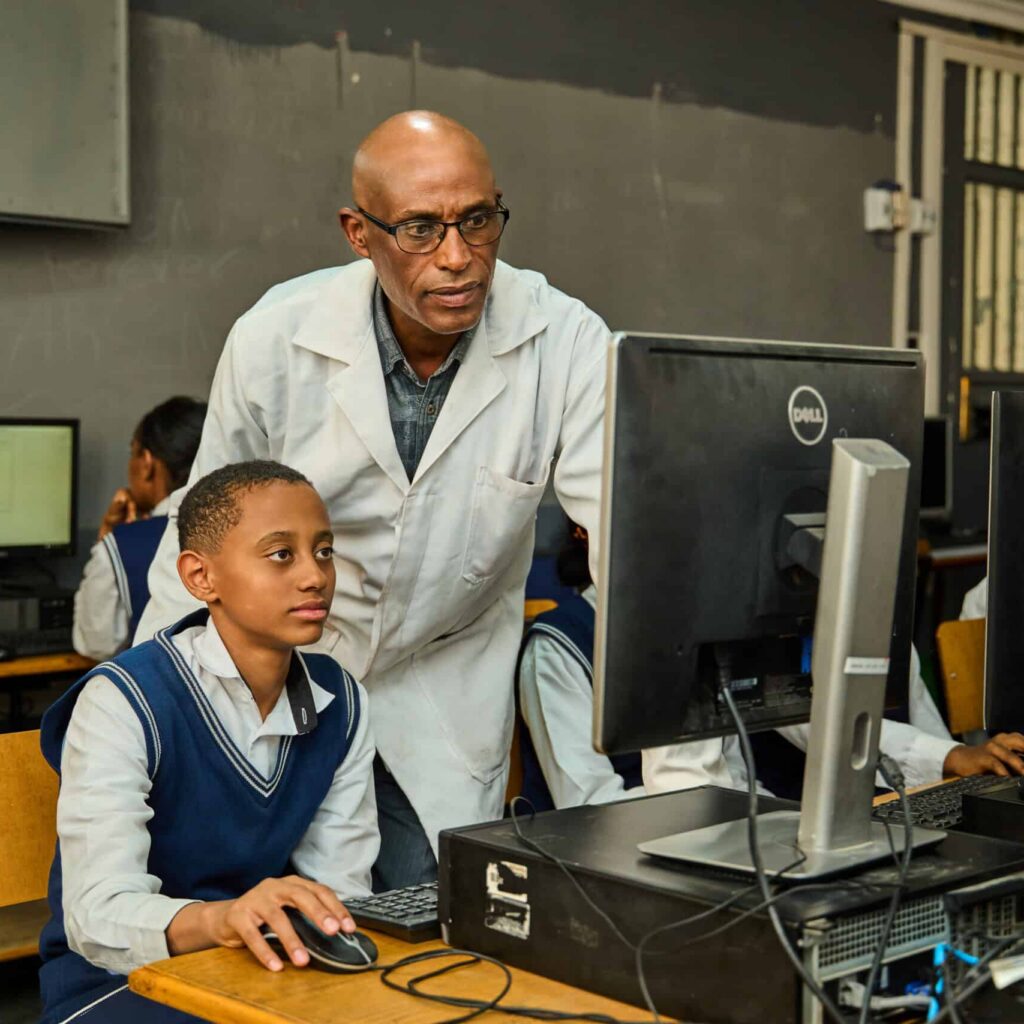
We build teacher confidence to use digital tools, integrate technology into lessons…
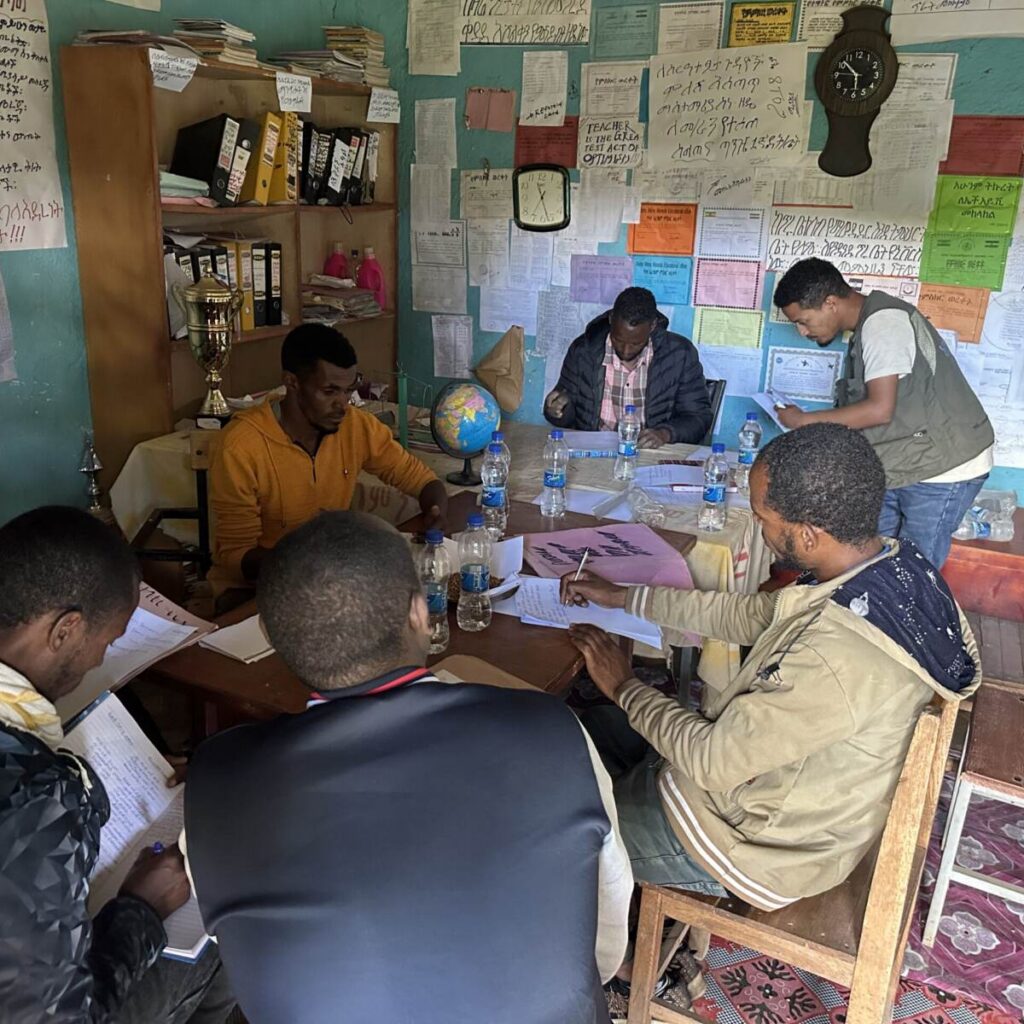
…and apply AI-supported resources. Female teachers are a priority in every programme. We also train school leaders to plan, manage, and sustain digital learning environments, strengthening whole-school digital readiness.
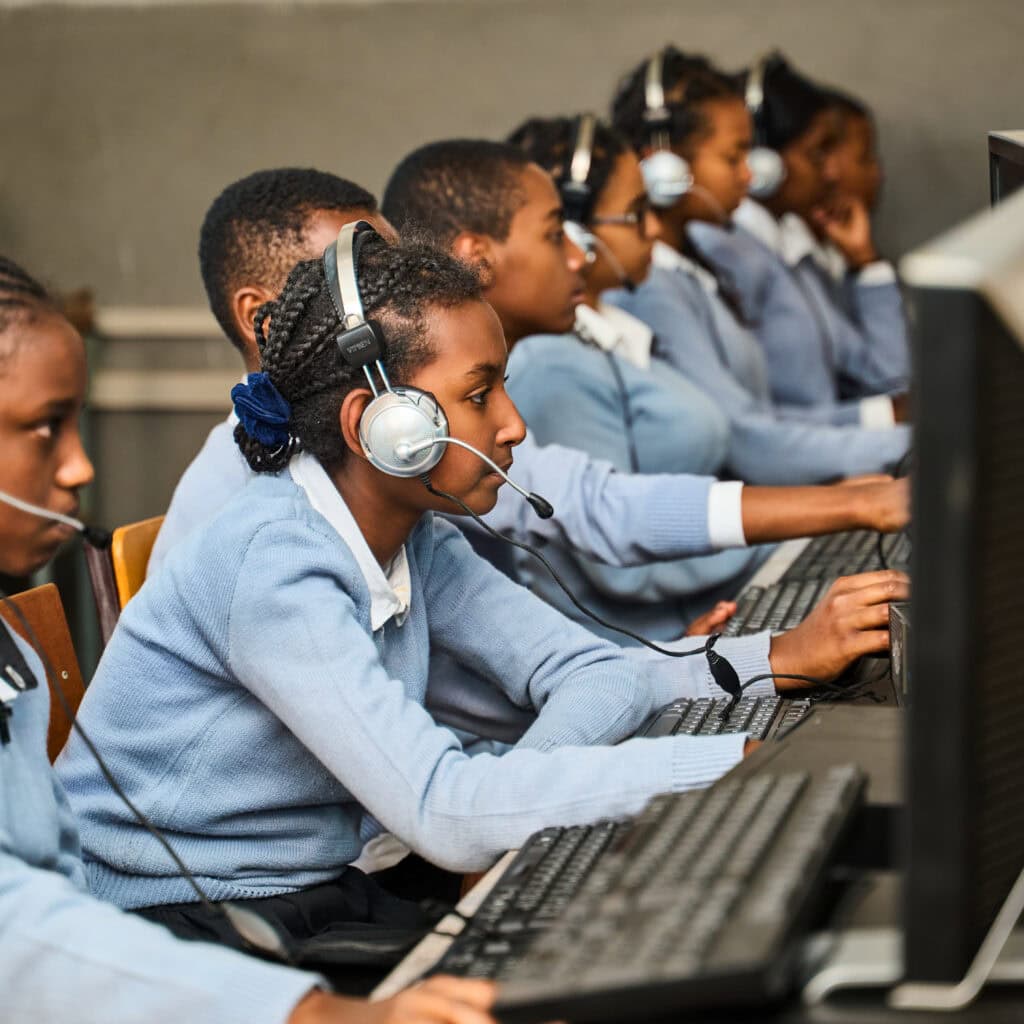
Coding, AI literacy, STEM and ICT club activities and youth empowerment…
…programmes that open pathways to future opportunities.
Gender equity
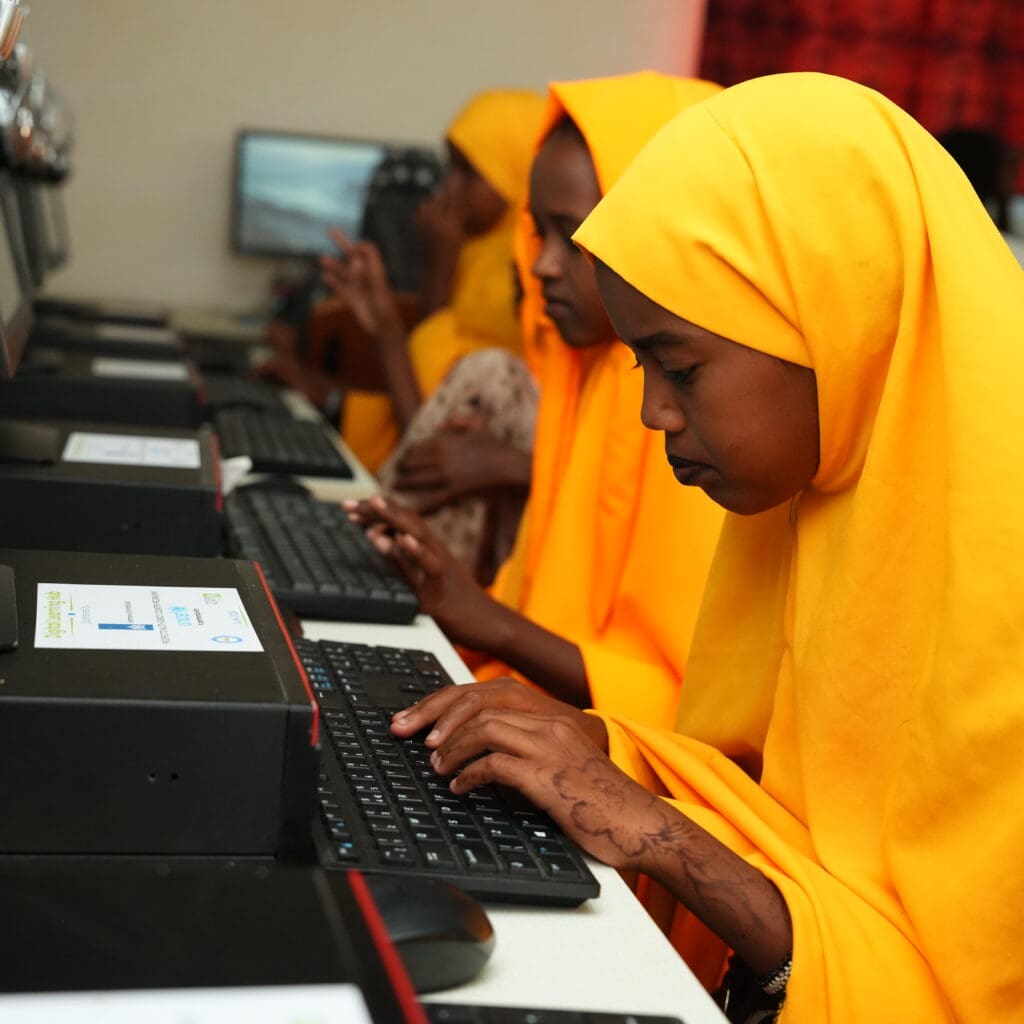
We deliver targeted digital‑skills and STEM programmes for girls and female…
…teachers in rural schools including Refugees & Host Communities.
Curriculum-aligned, interactive, offline-first digital content and a…
…learning management system designed for low-resource schools.
Curriculum-aligned support for teachers and learners in both offline and online modes…
…helping schools deliver engaging instruction even without internet connectivity.
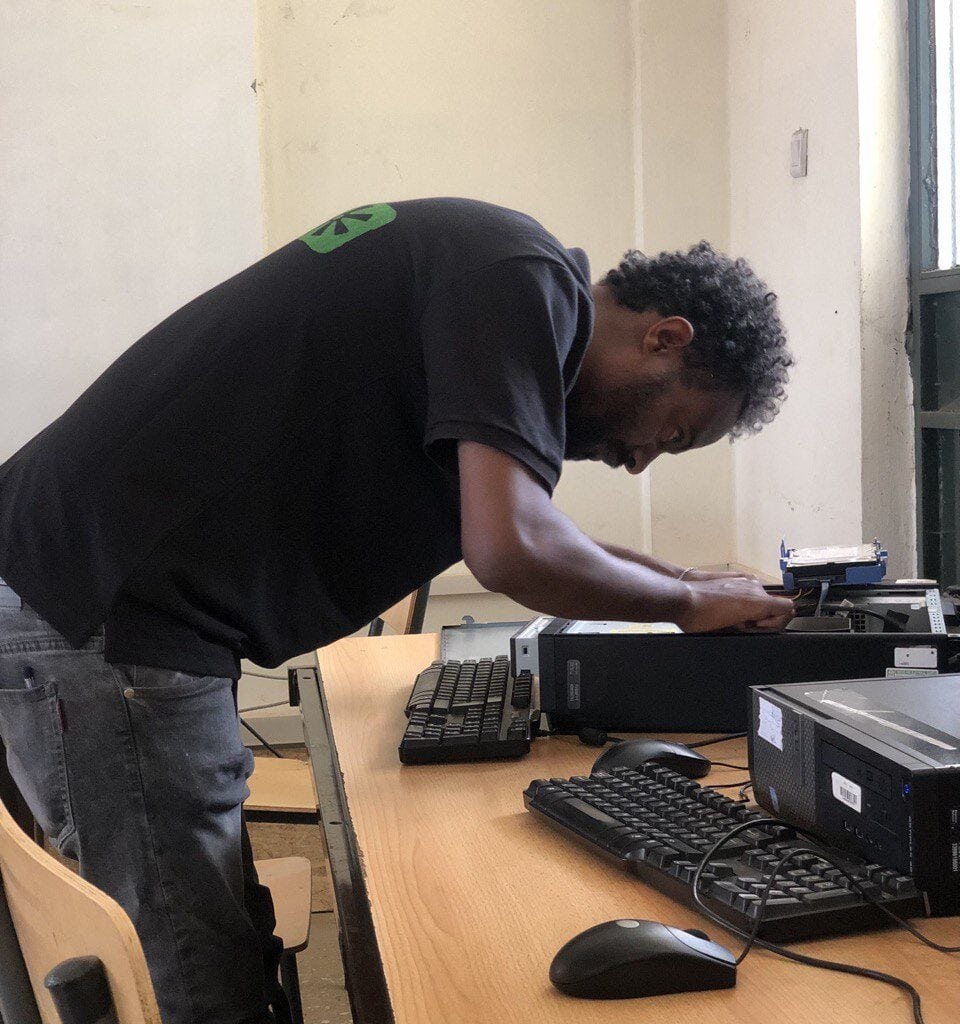
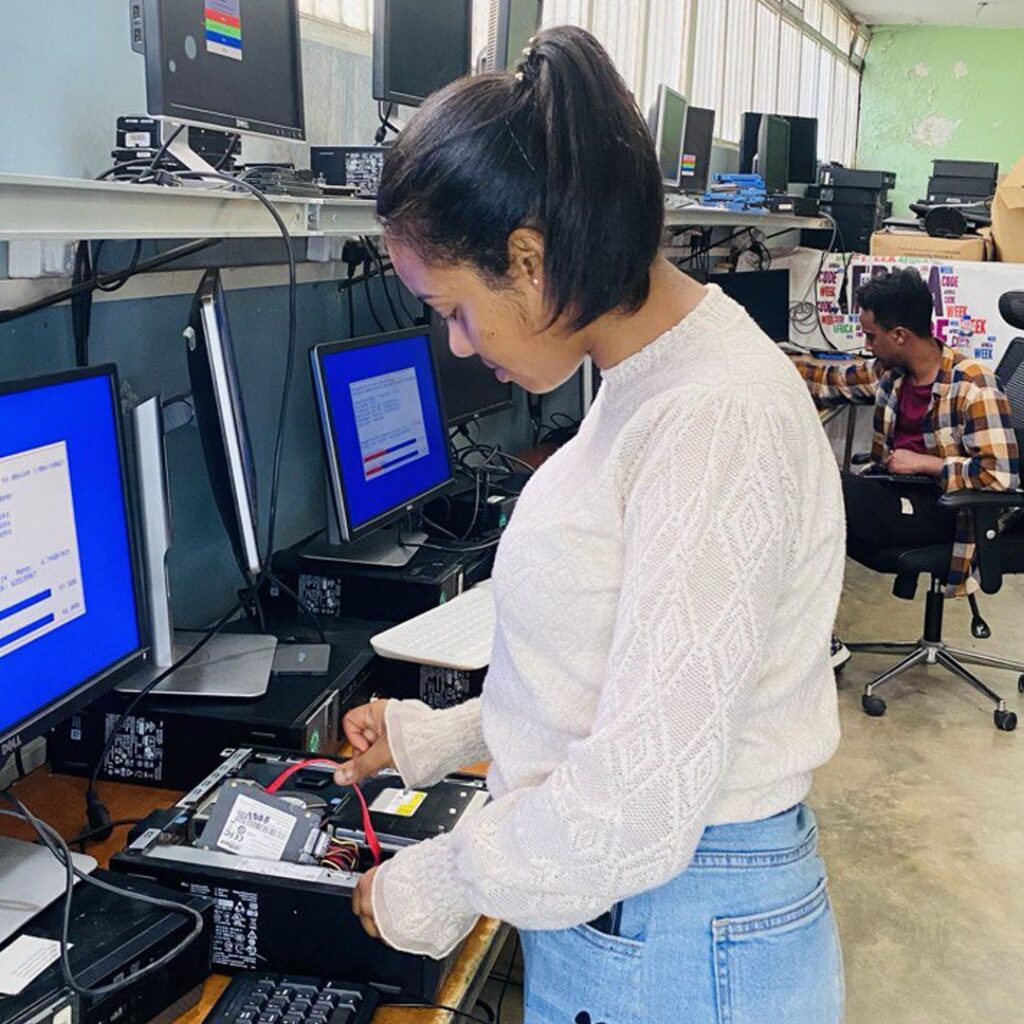
Ongoing support, maintenance and monitoring…
…with a responsible reuse model and environmentally sound e-waste management.
Delivery is monitored against agreed targets…
…and reported to the Ministry of Education and our funding partners.
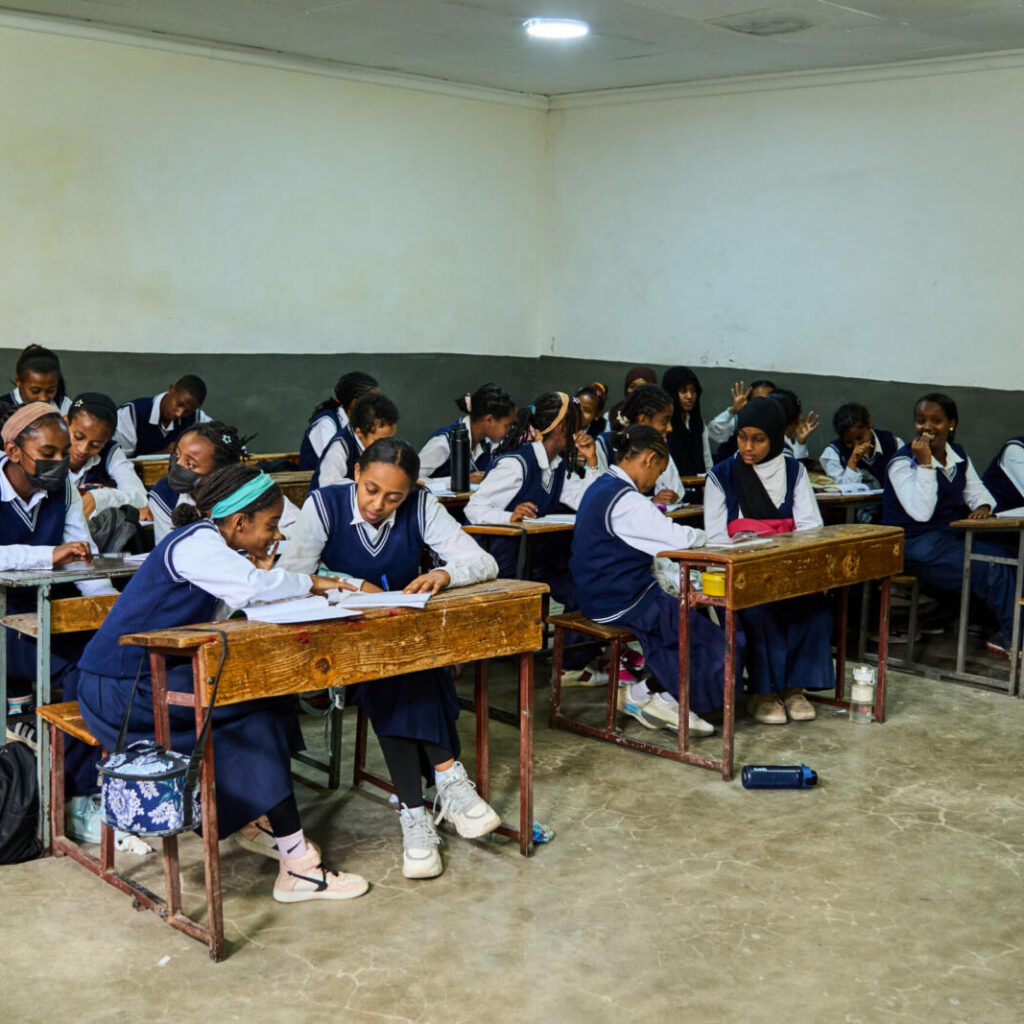
Ethiopia has one of Africa’s largest school-age populations, with more than 25 million learners across 52,000+ schools, yet access to education technology remains deeply unequal.

MoE and World Bank assessments show that less than 15% of schools…
…have functional computer labs, and most lack the equipment and infrastructure needed for technology-supported teaching and learning.
Many schools lack digitised MoE textbooks, interactive learning materials and offline-first content…
…aligned with Ethiopia’s curriculum, making digital learning inconsistent and difficult to scale.
Fewer than 20% of teachers report confidence using digital tools in the classroom, limiting their ability to integrate technology into teaching.
Camara’s 2026 project site-assessment dashboard shows that only 11% of assessed schools…
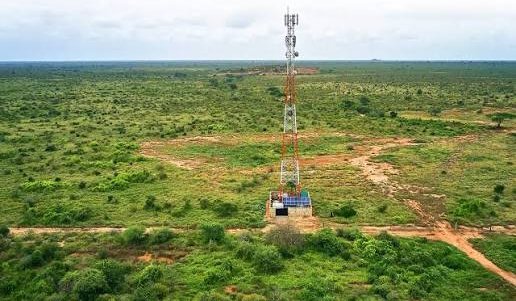
…have internet, leaving almost 90%, especially rural and displacement-affected schools, without reliable connectivity. UNESCO’s 2025 ROAM-X assessment confirms this national trend, with 79% of Ethiopians still offline.
National digital-gender gap data shows that girls are 30–40% less likely than…
…boys to access computers or digital resources, and female teachers participate far less in digital-skills programmes due to limited opportunities, safety concerns and social norms. This gap continues into the workforce, where women make up less than 25% of Ethiopia’s tech graduates and an even smaller share of the digital-skills workforce.
Looking ahead
Ethiopia’s education system is under pressure to prepare young people for a…
…rapidly changing digital economy. As AI becomes part of everyday learning and work, today’s digital divide could quickly become tomorrow’s AI divide, and learners in low-resource schools, especially girls, risk being left behind.
Our programmes in Ethiopia expand access to digital learning, strengthen teaching and equip young people with skills for the future.
Active2023–2028
Camara’s fourth consecutive agreement with the Ministry of Education extends the partnership…
…for five years, expanding Digital Learning Centres, teacher digital-skills capacity, curriculum-aligned content and AI-enabled learning tools.
LocationNationwideTarget groupLearners, teachers and school leaders, with a focus on girls, female teachers, rural schools and underserved communities
Key results
Active2026–2027
A $2.56m UNICEF partnership expanding AI-powered digital learning and transferable skills.
It deploys AI-enabled Digital Learning Hubs, delivers teacher training and provides offline-first learning environments for low-resource schools.
LocationAll regions of Ethiopia, including refugee-hosting and displacement-affected communitiesTarget groupLearners, especially girls and learners with disabilities, teachers and school leaders
Key results
Completed2025/26
Delivered with the Ministry of Education and Ministry of Finance under the…
…World Bank’s Response, Recovery and Resilience project, restoring digital-learning environments in secondary schools affected by conflict.
Location37 secondary schools across the Tigray and Amhara regionsTarget groupConflict-affected learners, teachers and school leaders
Key results
Active
We offer internships and volunteer opportunities to around 40 students every year,…
…and some of them eventually join our team. Camara’s programme aims to equip youth with essential digital skills for careers in tech, employment and freelancing.
LocationAddis Ababa and programme schoolsTarget groupYouth, students and recent graduates
Key results
Camara operates on a cost-sharing model and works with institutions committed to sustainable digital learning:
government and donor-supported schools, Colleges of Teacher Education and community programmes. Institutions present a letter of support from the Ministry of Education or their Regional Education Bureau and meet Camara’s eligibility criteria. We do not provide computers for individual use or for profit-making activities.
Step 1
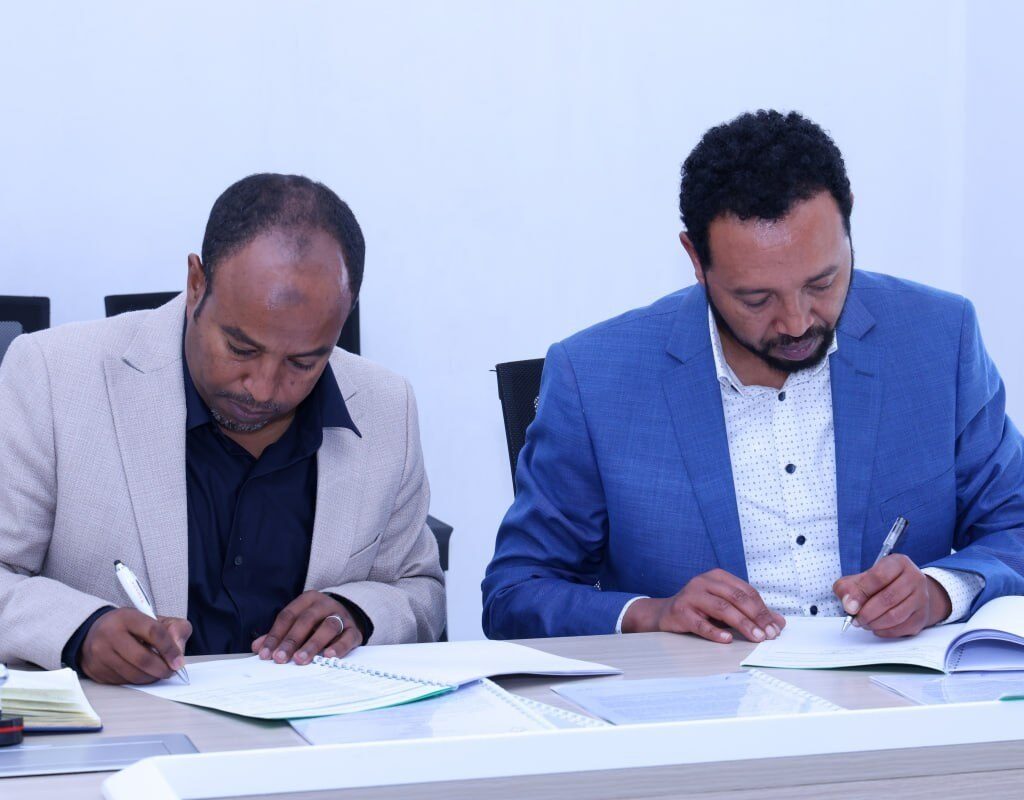
Institutions submit an expression of interest, co‑design the programme with Camara, and proceed upon agreement.
Step 2
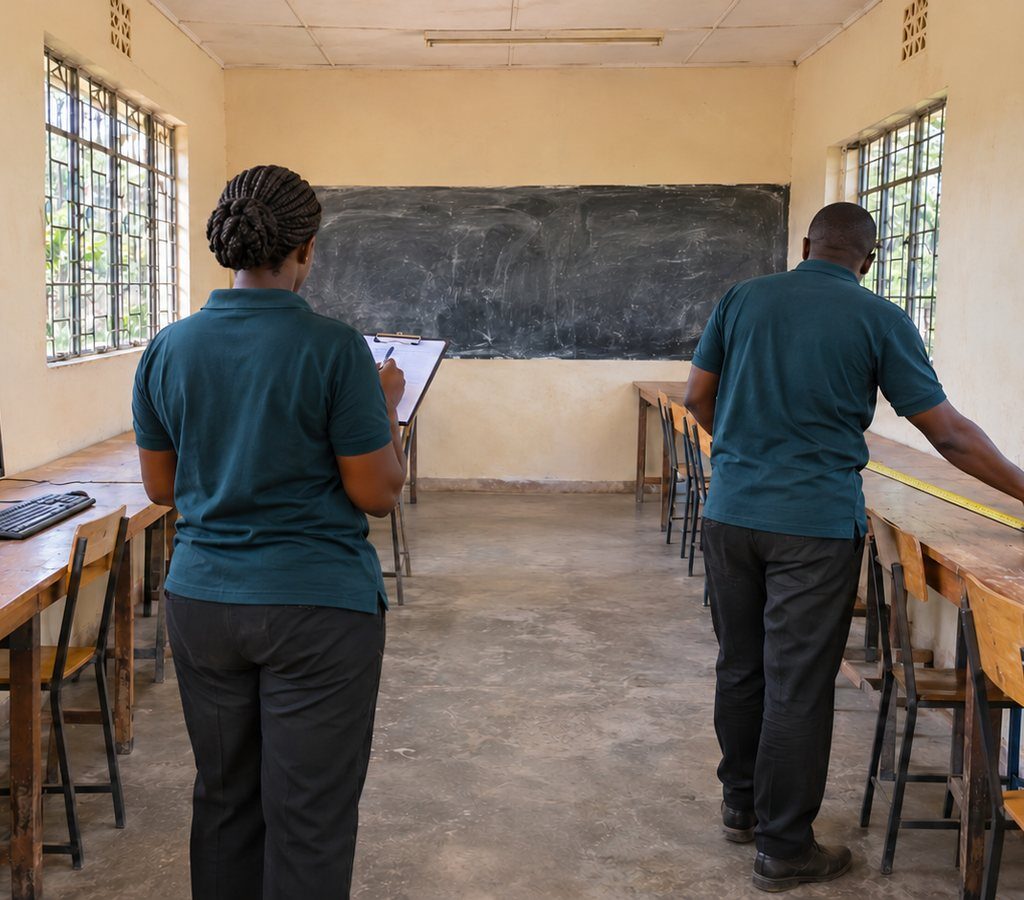
Assessment of school infrastructure, electricity, space, staffing, and readiness for safe deployment of Digital Learning Centres (DLCs).
Step 3
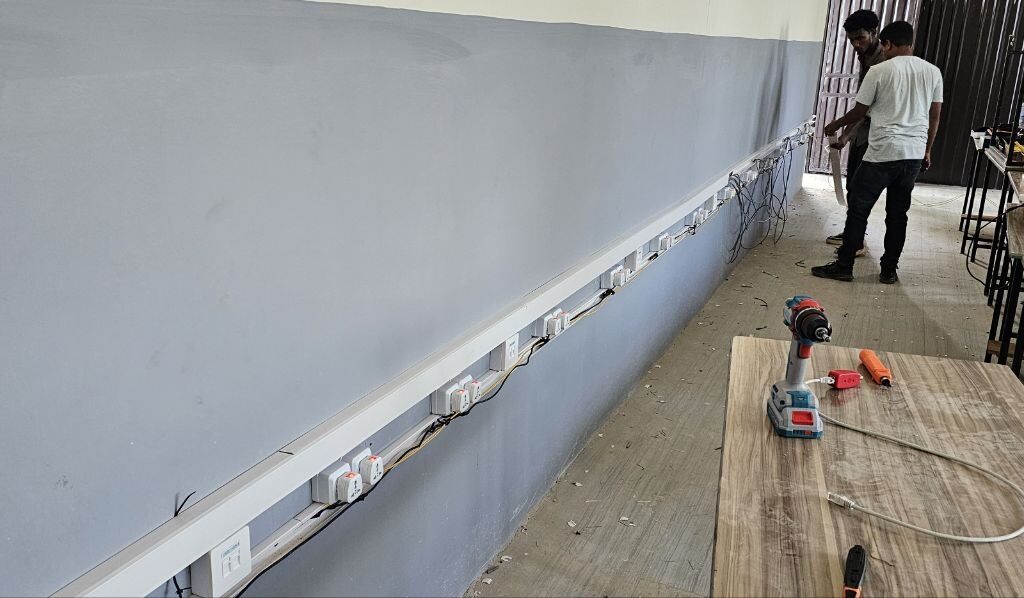
Deployment, testing, commissioning and configuration of the Digital Learning Centres, digital content, Camara AI, and LMS.
Step 4
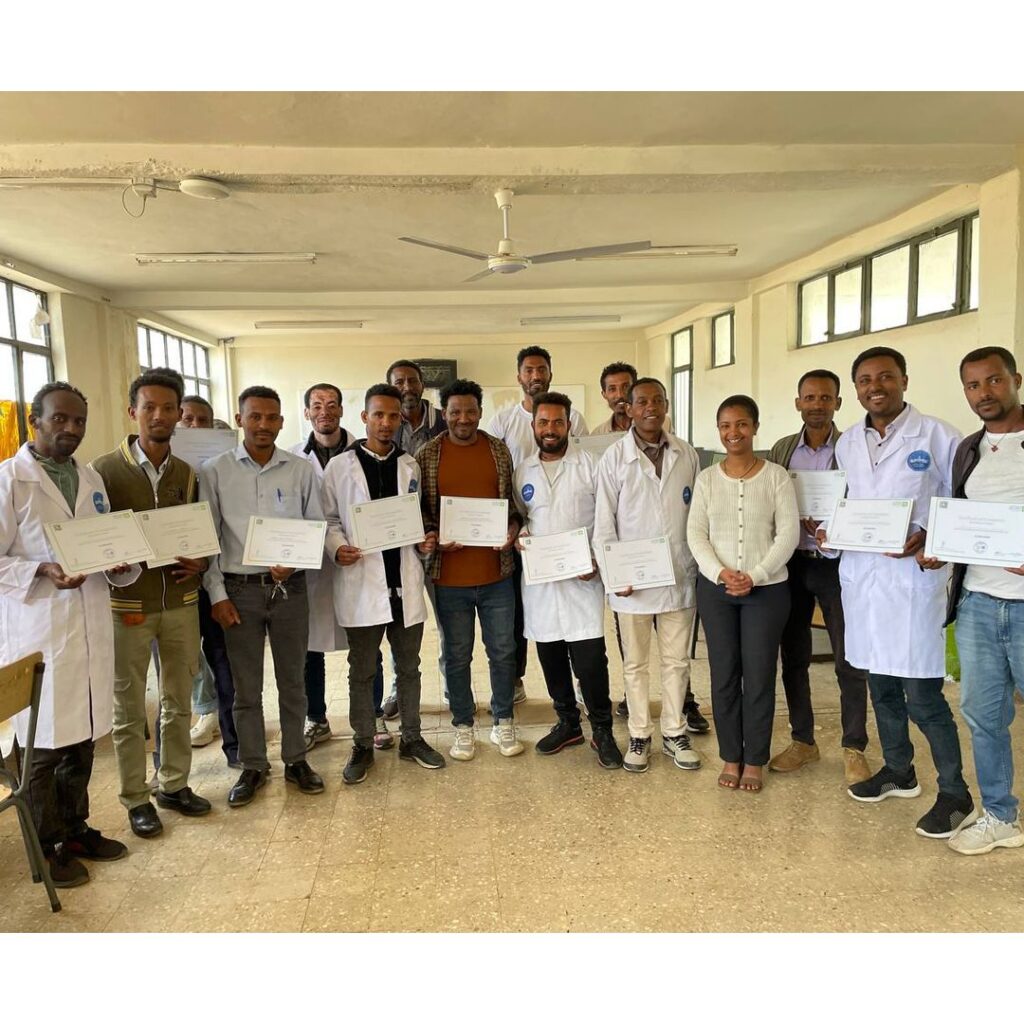
Digital‑skills training, ICT pedagogy, and AI‑supported teaching tools.
Step 5
Coding, AI literacy, STEM, ICT clubs, Skills4Girls, and youth empowerment.
Step 6
Ongoing maintenance, monitoring, evaluation, and sustainability support.
Camara is committed to the highest possible standards of openness, transparency and accountability in all of our operations. Delivery in Ethiopia is monitored against agreed targets and reported to the Ministry of Education and our funding partners.
Device and platform usage across Digital Learning Centres, including offline-first servers in low-connectivity schools.
Attendance and completion for teachers, school leaders and students, disaggregated by gender.
Site assessments, maintenance visits and technical-support logs held in the project dashboard.
Teacher and learner feedback, school case studies and stories of change from participating schools.
“I have always loved numbers and solving problems, but in my school, it was not easy to find the materials I needed to learn more. Everything started to change when our school received computers through Camara.
For the first time, I was able to learn using digital tools. I began exploring mathematics in a deeper way, and I also discovered coding and new ways of thinking. Now, I feel more confident in my learning. I want to become an engineer one day and design infrastructure that can help improve my community.”
Fantayehonal Demesie
Grade 7 student, aged 16
Camara believes lasting change happens when digital education is built with the education system, not around it.
Since 2011, we have worked in partnership with Ethiopia’s Federal Ministry of Education, Regional Education Bureaus, schools, universities, development partners and technology leaders to design and deliver sustainable digital learning programmes aligned with national priorities.


Equip a school with a Digital Learning Centre, curriculum-aligned content and teacher training.
Give business equipment a second working life in an Ethiopian classroom, with responsible reuse at end of life.
For government, donor, technology and implementing partners working on digital education in Ethiopia.
For government, donor, technology and implementing partners working on digital education in Ethiopia. Tell us a little about your organisation and we will come back to you.
Dama House, Office No. 304
Behind Lideta Condominium, Lideta
Addis Ababa, Ethiopia