Sangurur-computerlab6

Sangurur Primary School in Kenya welcomes a Second Computer Lab

Sangurur-computerlab6
Sangurur-computerlab7

In 2024, Camara Education Kenya installed a networked computer lab at Sangurur Primary School, providing 25 client computers and a server, and trained teachers to integrate ICT across the curriculum. Since then, our team has continued to offer technical support, expanding digital inclusion for learners, teachers, and the wider community in rural Elgeyo Marakwet County, a region facing significant infrastructure and resource challenges.

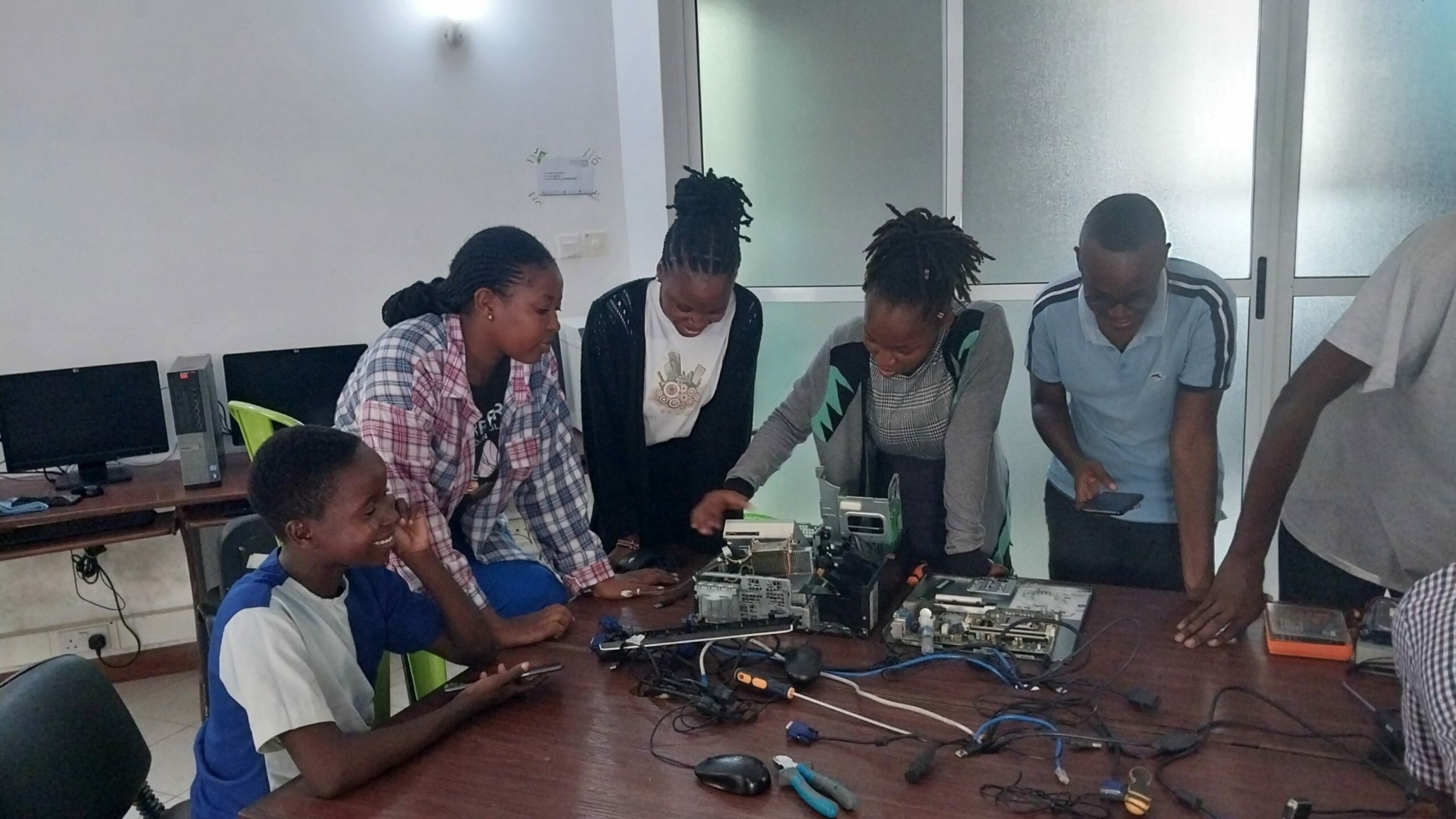
Following the success of the first lab, the school has now received a second computer lab. Our technical team completed installation, network configuration, and internet testing to ensure everything is fully operational.

With both labs active, more students can access quality digital resources, and teachers can further integrate technology into lessons, equipping learners with essential digital skills and preparing them for a connected future.

Sangurur-computerlab8
Sangurur-computerlab4
Sangurur-computerlab3
Sangurur-computerlab
e-Waste-Day-2025(3)

Protecting Education and the Environment on e-Waste day

e-Waste-Day-2025(3)
e-Waste-Day-2025(8)

At Camara Education, our mission is not only to transform education through technology but also to ensure that we protect our planet while doing so.

We were proud to announce that our e-waste partner, WEEE Centre, was authorised by Camara Education Kenya to collect e-waste from all Camara-supported schools across the country. This partnership ensures that every faulty, outdated, or unusable piece of electronic equipment from our school computer labs is handled responsibly.

Over the past months, old computers, monitors, and other faulty electronic items have been collected from schools for safe processing and recycling, strictly following the standards set by the local Environmental Management Agency. This means harmful components are disposed of correctly, and nothing ends up polluting our environment.

By managing e-waste responsibly, we are protecting students, teachers, and communities from the risks of unsafe disposal. At the same time, we are creating room for better, faster, and more modern computer labs to keep digital learning alive and thriving in schools.

Together with WEEE Centre, we are showing that quality education and environmental care can go hand in hand. Because preparing the next generation for the future also means giving them a cleaner, safer world to inherit. 💚

#Sustainability #EWasteManagement #WEEECentre

e-Waste-Day-2025(7)
e-Waste-Day-2025(2)
e-Waste-Day-2025(9)
Evans Kiprop Kiprotich

Turbo Girls Success Story

I joined Turbo Girls in July 2021 as the Computer Studies teacher. At the time, only Form Two students were taking the subject after a long break, and the new Form Ones hadn’t been admitted yet. There were 80 Form Twos, but no computer lab—just a few outdated machines. I managed to repair four of them and turned a small room next to the Home Science lab into a makeshift computer lab.

The students had a weak foundation in the subject, and our 20-seater lab was far from ideal. But we made it work. Then, in November 2021, something changed. I was called to the Deputy Principal’s office (Mrs. Mochama) to meet a visitor—Mr. Job Amwoga from Camara Education Kenya. We had a long and meaningful conversation about Camara and how they support schools. It was clear their solutions could really help us, and our principal agreed.

Once we got the green light, excitement spread among the students. We started preparing for a new lab. I did the survey work myself—it was long and demanding, but I knew how much we needed it. The new lab was launched in the first quarter of 2022. Soon after, a week-long training was held for teachers from our school and neighboring ones. Then our students started using the new facility, and it made a huge difference.

Two months before the lab opened, we selected students who would continue with Computer Studies through to Form Four. Some dropped out early—some lacked confidence, others felt they couldn’t catch up. In the end, I had 14 students.

In 2023, those 14 students sat for the KCSE exam. They completed their seven-month computer project and handled the three-hour practical exam with confidence. Their results made us proud, earning a mean score of 8.42 (B minus).

GRADE

A

A-

B+

B

B- 

C+ 

C

C-

Students

1

1

3

1

4

2

0

2

Today, we have 23 Form Fours and 15 Form Threes in Computer Studies. We expect over 25 Form Twos to join, selected from the current 103 students. The interest is growing fast—this year, we admitted over 650 Form Ones, and 120 of them have taken up Computer Studies. Our current lab is stretched, and we may need a second one to meet the demand without disrupting learning for senior students.

This journey has been full of challenges, but also full of growth and learning. We’re grateful to Camara Education, especially Mr. Job and Mr. Peter, for believing in our story and helping bring it to life. Thank you.

Evans Kiprop Kiprotich
Container-Kenya4

Camara Education Kenya received a container filled with computers through the generous support of Dell Technologies

Container-Kenya4

Earlier this year Camara Education Kenya received a container filled with computers through the generous support of Dell Technologies. The computers replaced non-functional and out-of-life equipment within the Dell STEM STEPS schools across the five counties of Kilifi, Mombasa, Makueni, Kajiado, and Uasin Gishu. Subsequent analysis of computer usage data through the CCNMS system has revealed a remarkable improvement in utilisation metrics this year. This positive trend is directly attributable to the equipment replacement initiative, underscoring the tangible impact of Dell Technologies’ contribution on enhancing educational opportunities within these communities.

#DigitalEquity #DellTechnologies #CamaraEducation

kamulalani
mulala
Catholic-Diose-Ngong-township
Michelle-Mukami

Michelle’s Journey into AI and Meteorology

Growing up, Michelle Mukami attended Mariakani Primary School, where there was no electricity, let alone digital resources. Learning science was tough—experiments were just words in a textbook, and understanding concepts without seeing them in action felt impossible.

Everything changed when she joined Kambi Mawe Girls Secondary School. For the first time, she sat in front of a real computer, thanks to the STEM Steps Project, a partnership between Camara Education and Dell Technologies. It was a game-changer! Through interactive simulations, Michelle finally saw science come to life. Complex topics that once felt confusing started making sense, and she discovered a love for technology—especially AI.

AI didn’t just help her understand science better; it changed the way she thought. She became more analytical, solving problems step by step. That’s when inspiration struck—what if AI could help predict rainfall patterns? Farmers in her community struggle with unpredictable weather, and she dreams of creating an AI-powered system to help them plan better.

“AI has opened my mind to endless possibilities. I want to use technology to solve real-world problems, starting with helping farmers predict rainfall and fight climate change,” Michelle says with determination.

Now, Michelle is determined to pursue meteorology and use AI to improve weather forecasting. Her goal? To help combat climate change and make life easier for farmers. From a school with no electricity to a future driven by technology, Michelle’s journey proves that with the right opportunities, anything is possible!

Michelle-Mukami
Technology Boosts Enrolment at Makueni Integrated Vocational Empowerment Centre

Technology Boosts Enrolment

Technology Boosts Enrolment at Makueni Integrated Vocational Empowerment Centre

The Makueni Integrated Vocational Empowerment Centre (MIVEC), a County Technical Training Institute, has witnessed a significant surge in student enrolment, largely driven by the introduction of new technology. The availability of computers and laptops, provided through the STEM STEPS Project, has made a remarkable impact, particularly on ICT courses.

Boniface Vundi, the Centre Manager, attributes this growth to the increased access to technology, which has opened new doors for learners. “We’ve seen an impressive 41.62% rise in ICT student enrolment this year,” Vundi said. “The availability of computers has made our institution more appealing to students who are eager to gain digital skills.”

The increase in ICT enrolment is not the only positive development at MIVEC. The overall number of students at the centre has also grown, with more learners from various disciplines now embracing technology in their coursework. “Access to computers was previously a limitation, but now, students have the resources for hands-on practice, which has encouraged those in other fields to take up ICT-related units,” added Vundi.

The impact of the new technology is also evident in the growing number of hours students are spending on computers. More time is being dedicated to digital learning, research, and skill development, further enhancing the academic experience. “With extended computer hours, our students can meet assignment deadlines, engage in online learning, and even develop personal projects,” Vundi stated. “This has truly been a game-changer for us.”

The STEM STEPS Project has proven essential in transforming technical training at MIVEC. As the role of technology in education continues to grow, the centre is committed to expanding its ICT infrastructure to meet the increasing demand. Vundi concluded, “Our goal is to equip students with practical digital skills that will prepare them for the job market. With continued support, we can create even more opportunities for young people in our county.”

St. Jude Girls Secondary students

Recognising best computer usage and ICT clubs

St. Jude Girls Secondary students

Camara Education Kenya has awarded appreciation to selected schools in the STEM STEPS Towards Positive Futures project for their outstanding efforts in digital learning and ICT development.

The STEM STEPS project, a partnership between Camara Education and Technologies, is supporting multiple schools by providing desktops, servers, and laptops to enhance digital literacy. While all participating schools are making great strides in technology adoption, some schools have been recognized for their exceptional commitment to:

  • ICT club activities
  • Digital skills development
  • Expanding computer usage hours

The awarded schools include:

  • Kongowea Secondary – Mombasa
  • Al-Farsy Girls Secondary – Mombasa
  • Migundini Secondary – Kilifi
  • Kizurini Secondary – Kilifi
  • Kambi Mawe Girls Secondary – Makueni
  • St. Jude Girls Secondary – Makueni
  • Embulbul Secondary – Kajiado
  • Kapchumba Secondary – Uasin Gishu
  • St. John Sigowet Secondary – Uasin Gishu

Camara Education recognizes and appreciates the efforts of all schools participating in this initiative, as they continue to empower students with essential digital skills. Together, we are bridging the digital divide and creating a technology-driven future for learners.

Kapchumba Secondary Students
St. John's Sigowet Secondary School
Kongowea Secondary Students
Kambi Mawe Girls Secondary students
Kizurini Secondary students
Migundini Secondary students
Al-Farsy Girls Secondary students
Embulbul Students
Strengthening Partnership and Collaboration with Makueni County Government

Collaboration with Makueni County Government

Strengthening Partnership and Collaboration with Makueni County Government

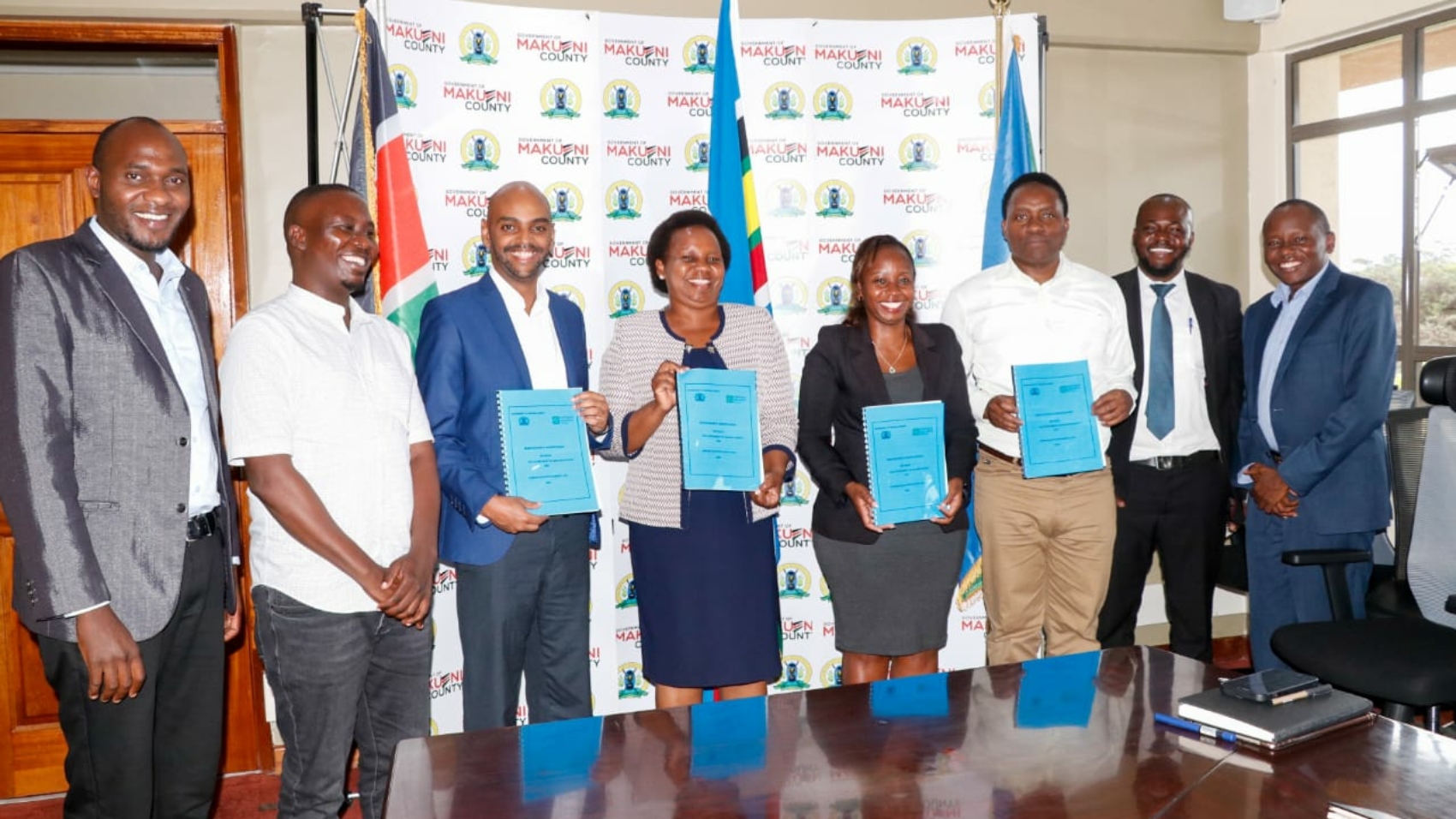
In a move to strengthen the partnership and collaboration between Camara Education Kenya and Makueni County Government, Johnstone Muchiri, CEK Country Director recently visited the county, where he met with Governor – Mutula Kilonzo Jnr and County Executive Committee Member (CECM) Member for Education, ICT and Internship – Elizabeth Muli. Also present at the meeting were James Jira, a Camara Technical Officer based in Makueni, and Madam Ruth Nditu, Chairlady of Board of Management of Makueni Integrated Vocational Empowerment Centre (MIVEC), a center sponsored by Camara Education through its partnership with Dell Technologies under the STEM STEPS Project.

 The visit underscored the commitment of both parties to strengthening their partnership and advancing the objectives outlined in the Memorandum of Understanding (MoU) signed between CEK and the Government of Makueni County (GMC) in 2023..

During the meeting, the stakeholders reaffirmed their dedication to leveraging information and communication technology (ICT) to enhance education in the county. 

Governor Mutula Kilonzo Jnr expressed enthusiasm, highlighting the collaboration’s transformative impact on education. Johnstone Muchiri emphasized that ICT integration is key to bridging learning gaps and preparing students for a tech-driven future. CECM Elizabeth Muli also underscored the importance of establishing an e-waste center in the county to ensure sustainable disposal of obsolete electronic devices, thereby promoting environmental conservation and responsible digital transformation.

This partnership positions Makueni as a leader in digital education, setting a precedent for future initiatives that foster innovation and inclusivity in learning.

Makongo JSS Story

Digital Transformation at Ukia CIC Hub, Kenya

Makongo JSS Story

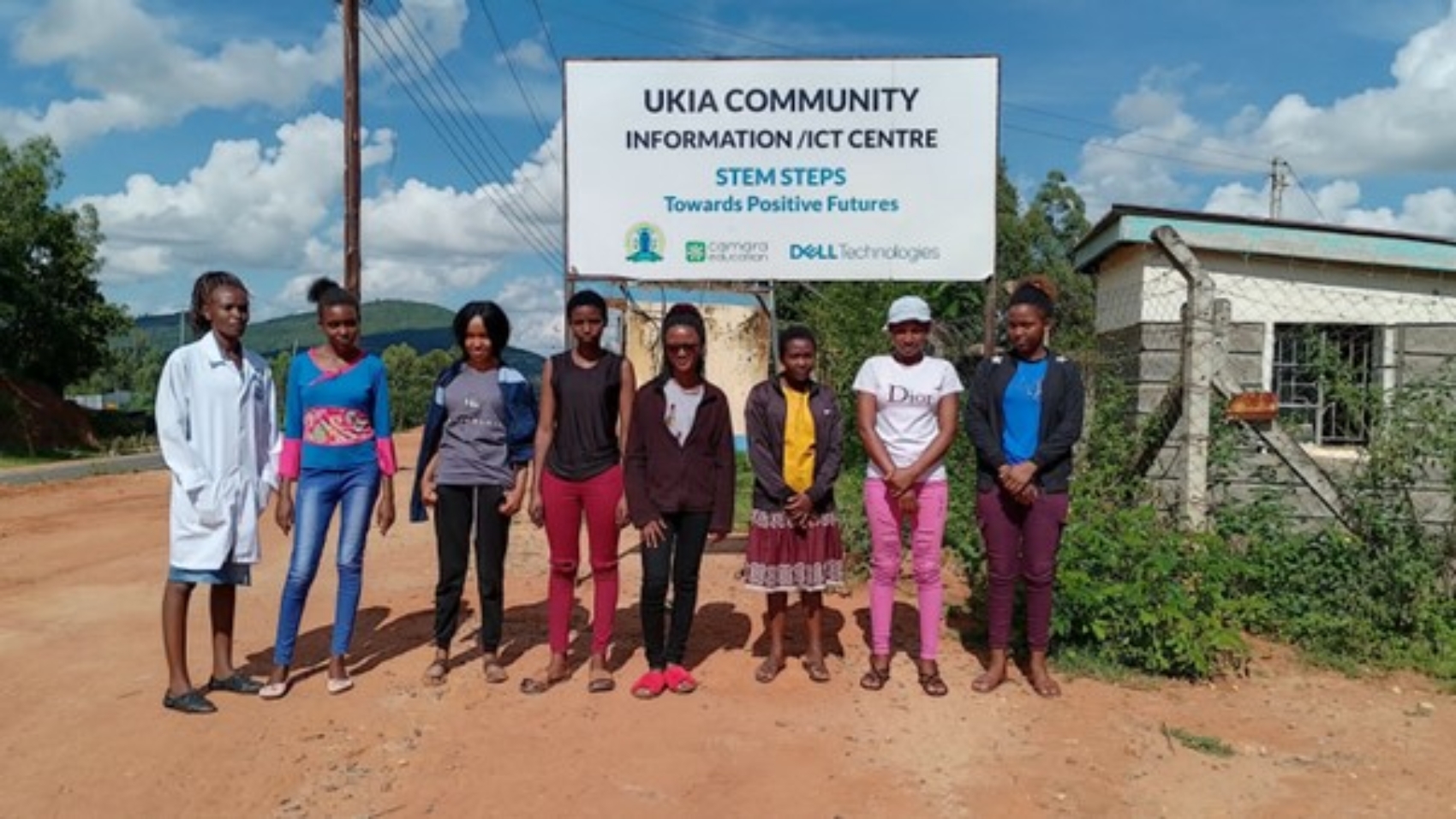
This November and December, students from Makongo Junior Secondary School (JSS) in Kenya had the exciting opportunity to engage in hands-on digital learning at the Ukia CIC Hub, located just 11 kilometres from their school. Under the guidance of their teacher, Madam Joyce Musyoki, the students participated in a dynamic programme designed to equip them with essential digital skills and ignite a passion for technology.

The Ukia CIC Hub, which was equipped with computers through the STEM STEPS Project, is part of a collaborative initiative between Camara Education and Dell Technologies. The STEM STEPS Project aims to bring cutting-edge STEM resources to underserved communities in Kenya, opening up access to critical tools and training for the next generation of learners.

Building essential digital skills for the future

The programme provided a comprehensive introduction to technology, covering a variety of key concepts designed to foster both digital literacy and responsible technology use. Students participated in:

  • Computer Basics and Typing Skills: Learning the fundamentals of using computers and developing typing proficiency.
  • Digital Creativity using Paint Tools: Exploring creative expression through digital design.
  • Scratch Programming for Basic Coding: An introduction to coding with Scratch, fostering problem-solving and logical thinking.
  • Online Safety and Responsible Technology Use: Educating students on how to stay safe online and use technology responsibly.
  • E-Waste Management and Environmental Responsibility: Teaching students the importance of responsible disposal and recycling of electronic waste.

The program provided not only technical knowledge but also an understanding of how technology can be harnessed to address pressing global issues like environmental sustainability.

Teacher’s perspective: A major advancement for students

Madam Joyce Musyoki, the teacher leading the students, was deeply impressed with the positive impact of the programme. Reflecting on the experience, she emphasised the importance of exposing students to technology at an early age to equip them for the future.

“The STEM STEPS Project is a game-changer,” she said. “It has provided opportunities that will inspire and empower these young learners for years to come. The Ukia CIC Hub is a vital resource for our community, offering access to tools and training that are crucial for preparing our students for the future.”

As the students wrapped up their learning sessions, Madam Joyce made a commitment to continue bringing her students to the Ukia CIC Hub regularly. “The foundation has been laid for continued growth in technology and education,” she noted. “We are preparing our students to thrive in an increasingly digital world.”

Looking Ahead: Transforming communities through education

The success of the Ukia CIC Hub demonstrates how targeted investments in education can create transformative change in underserved communities. By providing students with the digital tools and skills they need, programmes like the STEM STEPS Project are laying the groundwork for brighter futures. As the students return to Makongo JSS, the lessons learned and the skills acquired are certain to have a lasting impact on their educational journey.

This initiative is just one example of how Camara Education’s partnership with Dell Technologies is bringing meaningful change to communities across Kenya. Through access to modern technology and a focus on digital education, the path is being paved for the next generation of tech-savvy learners who will shape the future.

Transforming Digital Learning at St. Lawrence Nziu Girls

Transforming Digital Learning at St. Lawrence Nziu Girls

Transforming Digital Learning at St. Lawrence Nziu Girls

St. Lawrence Nziu Girls Secondary School in Kenya has made significant strides in integrating technology into its learning environment through the STEM STEPS Towards Positive Futures Project. This initiative, a collaboration between Camara Education and Dell Technologies, has equipped the school with 10 computers, a classroom server, and a laptop, providing a solid foundation for enhanced ICT learning. The school has further strengthened its digital capacity by purchasing an additional 10 computers from Camara Education Kenya, ensuring that every student has access to essential technology for their classroom studies.

For Mr. Stephen Makau, an ICT teacher at the school, the transformation has been remarkable. “Before Camara’s intervention, we had very few computers, and access to digital learning was limited. The demand for computer access far outweighed the resources we had, which hindered students’ ability to practise and engage fully with ICT lessons,” explains Mr. Makau. “Thanks to the STEM STEPS project, we now have enough computers to meet the needs of our students. The additional 10 computers we purchased have reduced the student-to-computer ratio, enabling more hands-on learning experiences.”

Mr. Bertrand Eshilache, another ICT teacher at St. Lawrence Nziu Girls, echoed this, noting the impact on Form 4 students preparing for their final exams. “With the additional computers, we are able to provide more lab time for our Form 4 students, ensuring they are well-prepared for their practical exams. The access to modern software and tools has improved their performance, and their confidence in ICT has grown significantly,” he says.

The school’s ICT program has become a central part of the learning experience, driving greater interest in digital literacy and preparing students for a future where technology plays a crucial role. “The shift has been significant. With more computers, we’ve been able to expand our curriculum and offer new learning opportunities, not just in ICT but across other subjects as well,” says Mr. Makau.

The journey towards making St. Lawrence Nziu Girls a hub of digital learning would not have been possible without the dedicated efforts of the teaching staff and the ongoing support from projects like STEM STEPS. Mr. Eshilache shared his hopes for the future, saying, “We envision our students becoming ICT-savvy individuals, ready to face the challenges of the modern workforce. We are committed to ensuring that technology continues to play a central role in education here.”

This combination of strategic donations and the school’s own investment in technology highlights St. Lawrence Nziu Girls’ commitment to empowering students through digital education. With teachers like Mr. Makau and Mr. Eshilache leading the way, the future of ICT learning at the school looks incredibly promising.